Sloped Roof Types
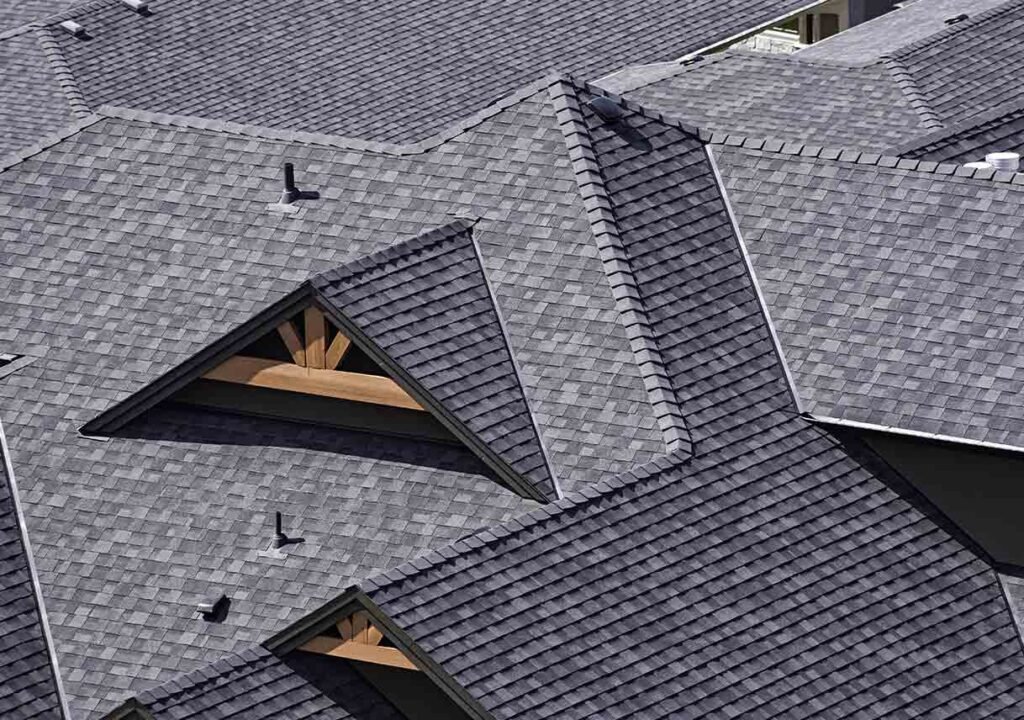
- The most common, cost-effective choice for homes, lasting 15–30 years. There are three types: 3-tab, architectural, and luxury.
- 3-tab shingles are the cheapest, but they have a short life span.
- Architectural shingles are more durable and offer a better appearance.
- Luxury shingles are premium options with enhanced durability and aesthetics.

- Engineered products (rubber, plastic, polymer) designed to mimic slate or shake with lower maintenance. They are durable and impact-resistant. This material offers the same aesthetic as natural slate or shake without the high cost or heavy weight.
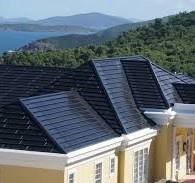
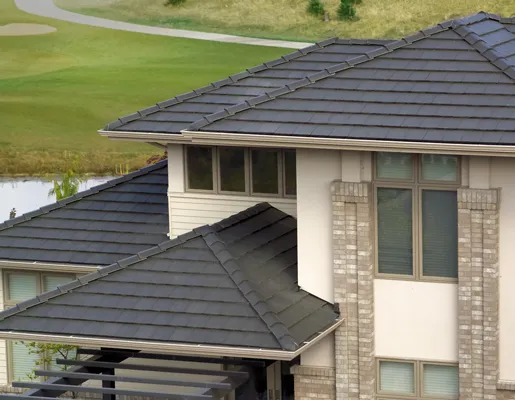
- A type of building-integrated photovoltaic (BIPV) technology that function as both a protective, durable roofing material and a solar energy generator often mimicking the look of traditional slate or asphalt.
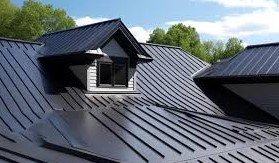
- Durable, energy-efficient options (steel, aluminum, copper) lasting 40–70 years.
- Extremely durable and fire-resistant, ideal for Mediterranean or Spanish-style homes. These are Premium roofing materials that people love for its beauty and longevity. They can last more than 100 years with proper care.

- Wood roofing offers natural beauty and insulation. Shakes are thicker and more rugged, while shingles are thinner and more uniform. Owners of rustic or traditional homes will most likely go for this type of roof. The only thing about it is that it requires regular maintenance to prevent decay and damage from moisture. It is also a fire danger.

Flat roofing is often used in commercial buildings but can also be found in residential homes. Common types include built-up roofing (BUR), single-ply membrane (TPO/EPDM/PVC): Modern, durable, and reflective membranes (white TPO is popular for energy efficiency), and spray-on roofing (Seamless systems often used for restoration). These roofs have a slight pitch to allow for water drainage. Houses with rooftop gardens usually have these roofs.

Green roofs are becoming more popular due to their environmental benefits. These roofs are made of vegetation and help to manage rainwater. There are three types of green roofing: extensive, semi-extensive, and intensive. Extensive roofs support small plants, while semi-extensive roofs can handle shrubs.

Built-Up Roofing is a traditional option for flat roofs. It consists of multiple layers of materials, which include fabric and bitumen, topped with gravel. BUR lasts a long time and is water-resistant. Commercial properties use these roofs, though the roof can be installed in residential homes with flat roofs.
Some Factors for Choosing a Roof
- Durability/Lifespan: Metal and slate offer the longest life, while asphalt is moderate.
- Cost: Asphalt is generally lowest, while tile and slate are highest.
- Climate: High wind, snow, or fire risk areas require specific materials (e.g., metal for snow/wind, tiles for fire).
- Weight: Slate and clay require a stronger structural frame than asphalt.